Regulatory Oversight and Its Direct Influence on Transaction Options Within Regulated Mobile Slot Environments
Kirjoittanut Parker Hartmann · 20.8.2026
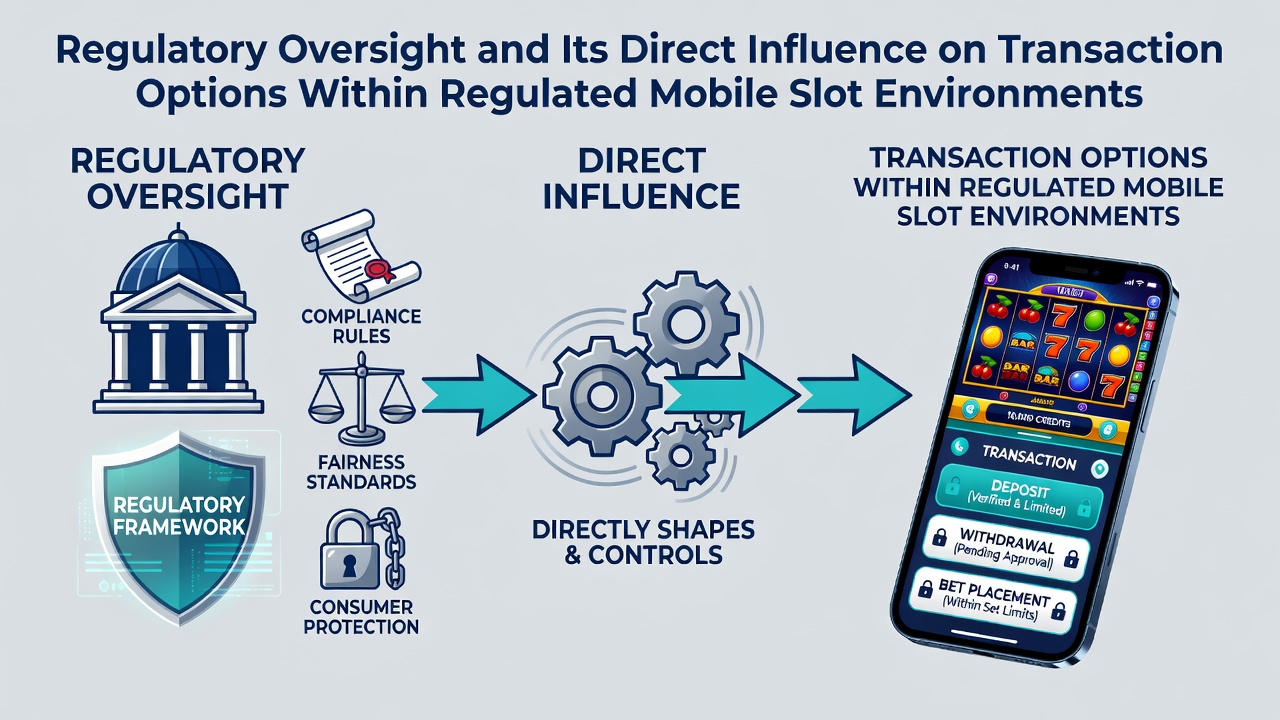
Regulatory Oversight and Its Direct Influence on Transaction Options Within Regulated Mobile Slot Environments
Regulatory frameworks shape transaction options in regulated mobile slot environments by establishing strict rules on payment methods, verification processes, and financial limits that operators must follow. These requirements come from government agencies and gaming commissions that monitor how funds move in and out of player accounts on smartphones and tablets. Data from multiple jurisdictions shows that such oversight directly determines which deposit and withdrawal tools remain available while excluding others that fail to meet compliance standards.
How Licensing Bodies Define Acceptable Payment Channels
Agencies such as the New Jersey Division of Gaming Enforcement and the Malta Gaming Authority set explicit criteria that payment processors must satisfy before they can appear inside mobile slot applications. Operators receive approval only after demonstrating that each method supports real-time monitoring, anti-money laundering checks, and secure data encryption that meets current technical benchmarks. Research from industry reports indicates that platforms operating under these licenses routinely restrict cryptocurrency options or limit them to approved stablecoins because volatile digital assets often conflict with traceability mandates.
Transaction speed and fee transparency also fall under regulatory review, which means operators must publish clear timelines for deposits and withdrawals or risk license penalties. In practice this leads many regulated environments to favor established bank transfers and e-wallets that already maintain detailed audit trails rather than introducing newer peer-to-peer solutions that lack equivalent oversight mechanisms.
Verification Requirements and Their Effect on Funding Methods
Know-your-customer rules enforced by regulators require players to submit identification documents before they can complete certain transactions, which narrows the range of instant deposit options that function without delays. Studies conducted by academic researchers at institutions tracking gambling behavior reveal that jurisdictions with mandatory identity checks experience slower adoption of anonymous payment tools while seeing higher usage of credit and debit cards that integrate directly with verified banking records. This pattern holds across both European and North American markets where similar standards apply.
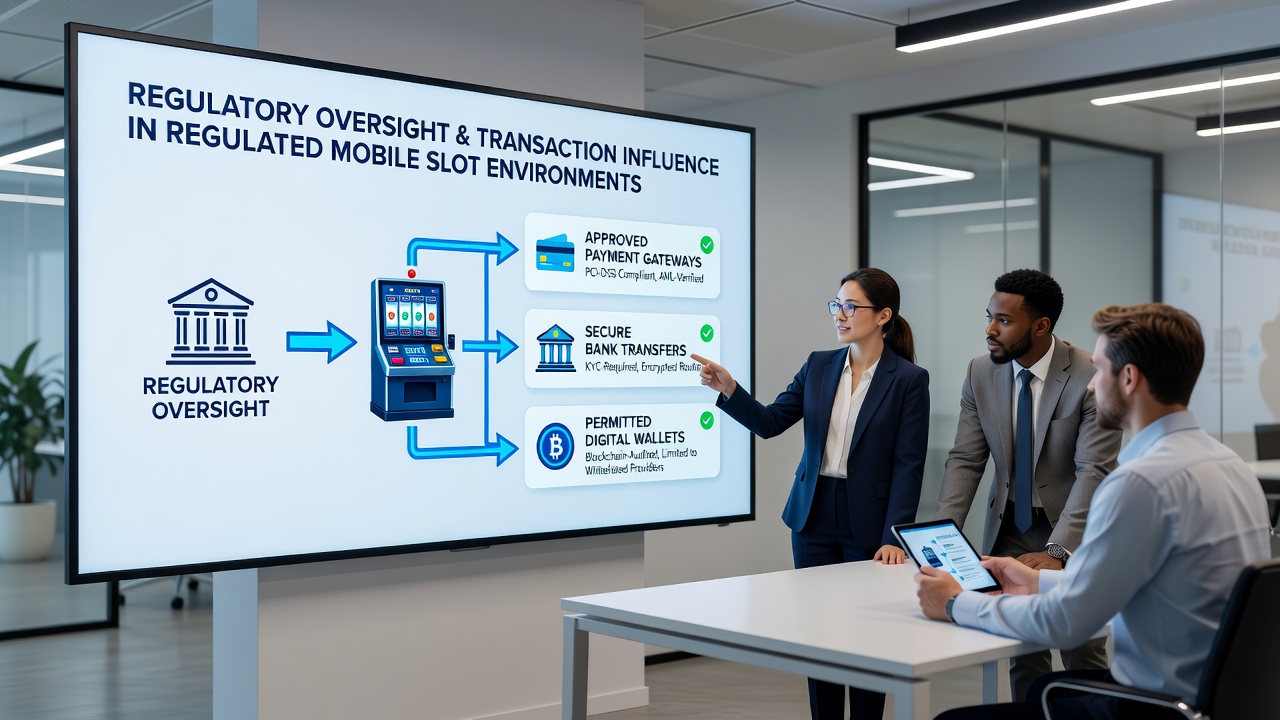
Monthly transaction caps and loss-limit settings further influence which funding methods operators promote because regulators often tie these controls to specific payment types. Platforms must configure their systems to block or flag attempts that exceed thresholds, and this technical requirement sometimes eliminates methods that cannot integrate with automated limit systems. Observers note that environments updating these parameters in August 2026 introduced additional reporting layers that affected how quickly new payment processors could gain approval.
Regional Variations in Transaction Restrictions
Different licensing regions apply distinct rules that create noticeable differences in available options for mobile slot players. Canadian provincial regulators, for example, emphasize integration with local banking networks and often require that withdrawal methods match the original deposit source exactly. Australian state authorities focus on harm-minimization tools that include mandatory cooling-off periods before large withdrawals can process. These variations mean the same mobile slot title can offer different payment selections depending on the regulatory environment where the player registers.
Cross-border operators must therefore maintain separate configurations for each licensed jurisdiction, which increases development costs but ensures continued compliance. Figures released by gaming associations show that companies operating in multiple regions allocate significant resources to payment gateway customization so that transaction flows remain uninterrupted when rules change.
Recent Adjustments and Their Practical Outcomes
Regulatory updates implemented during 2026 introduced enhanced monitoring of mobile-specific features such as push-notification deposit prompts and in-app wallet balances. These changes required operators to adjust how quickly funds become available for play after a deposit clears, and several platforms responded by expanding support for instant bank verification services that satisfy both speed and compliance demands. Data compiled by research institutions tracking digital gambling indicates that such modifications reduced the number of declined transactions while maintaining audit capabilities demanded by oversight bodies.
Enforcement actions against non-compliant processors also continue to reshape available options because operators remove methods that face regulatory scrutiny rather than risk license suspension. This ongoing process keeps transaction menus dynamic even within long-established platforms.
Conclusion
Regulatory oversight continues to determine which transaction options function inside regulated mobile slot environments by setting technical, security, and verification standards that payment providers must meet. Jurisdictions apply these rules through licensing conditions that adapt over time, and recent developments through August 2026 demonstrate how new monitoring requirements translate into concrete changes for players and operators alike. The result is a landscape where available deposit and withdrawal methods reflect ongoing compliance priorities rather than purely commercial considerations.